
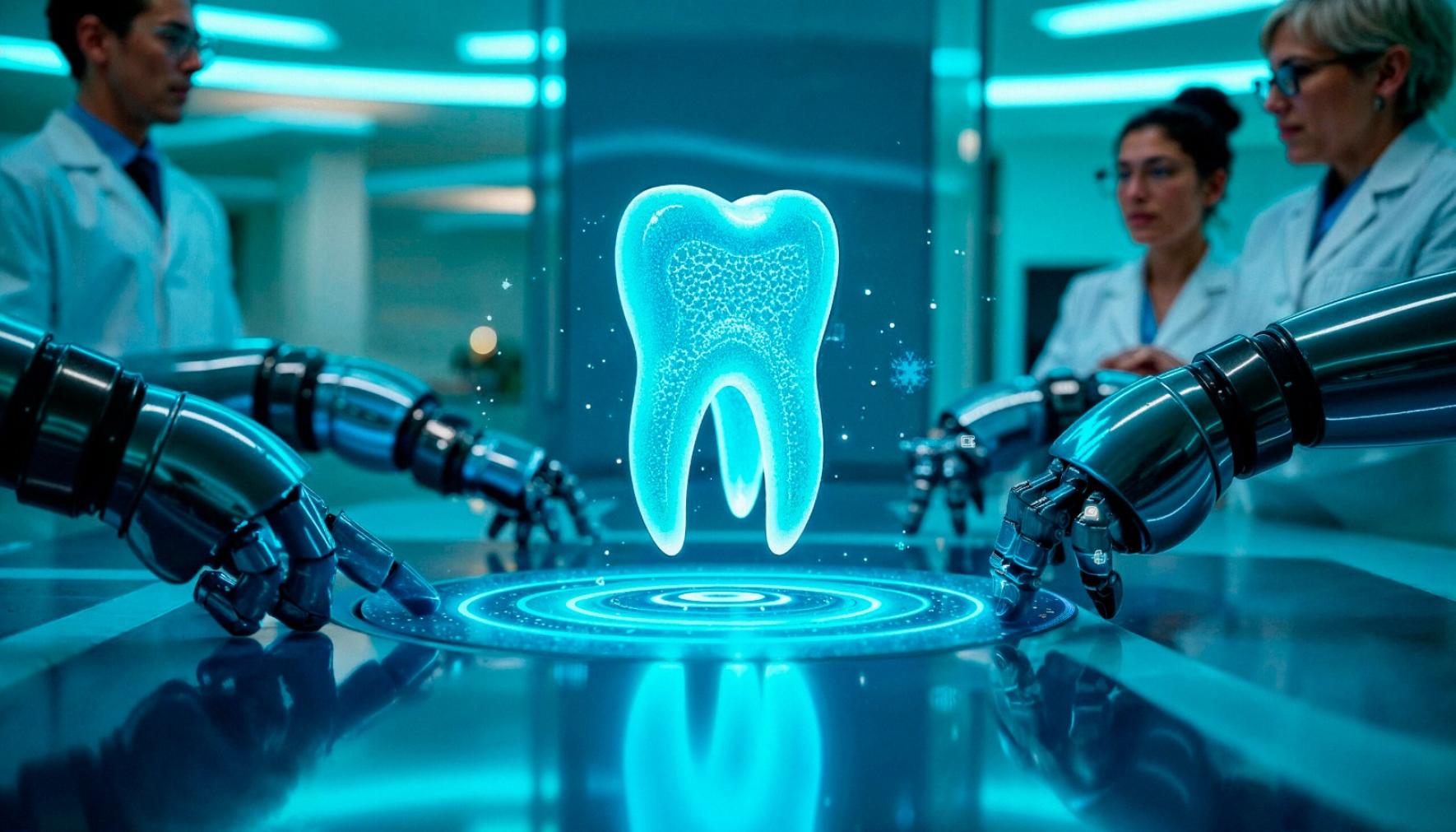
Artificial Intelligence (AI) in Dentistry: A New Step Toward Better Oral Health
Dentistry, like many other healthcare fields, is now being influenced by the rapid development of Artificial Intelligence (AI). AI is no longer just a scientific idea; it is becoming part of modern dental practice, from detecting diseases to helping dentists plan treatment based on each patient’s needs.
KTI
What can AI do in dentistry?
In simple terms, AI in dentistry involves computer systems that learn from large amounts of medical data and images. These systems can assist dentists in several ways:
1. Earlier and more accurate detection of dental caries
AI programs can analyze dental X-rays and identify very small signs of cavities that may be difficult to notice at an early stage. This can help dentists detect caries sooner and treat it before it becomes more serious and requires more complex treatment.
2. Personalized treatment planning
Every patient has different teeth, gums, and bone structures. AI can help analyze these differences and provide useful information for treatment planning. It can be used in areas such as dental implants, orthodontics, and gum treatment.
3. Reducing the risk of errors
AI systems can analyze large amounts of information and identify details that may be difficult to notice manually. As a result, they can support dentists in making more informed decisions and potentially improve the quality of treatment.
Why is this important for patients?
AI may provide several benefits for patients, including:
Faster analysis and potentially shorter clinic visits.
Earlier detection of dental problems, which may allow simpler and less expensive treatment.
Better support for clinical decisions by providing dentists with additional information alongside their professional experience.
Will AI replace dentists?
No. AI is a tool to support dentists, not replace them. It can analyze information, identify possible problems, and assist with treatment planning, but the final diagnosis and treatment decisions remain the responsibility of a qualified dental professional.